
Harzhis Village in Syunik: A Decision to Settle in Armenia
2026-10-31 | Naregatsi Art Institute
Raised in Cairo, Egyptian director and photographer Essam Nagy could never have imagined that the greatest artistic and spiritual revelation of his life lay hidden in the high mountains of Syunik. Born into a devout Coptic Christian family in Egypt, for years he remained unaware that Armenian blood also flowed through his veins—a secret that had been kept silent for 130 years.
Settling in Armenia in 2023, Essam confronted isolation, creative disappointment, and deep inner anxiety. Just as he felt broken and was preparing to leave Yerevan, he met 14 teenagers in the village of Harzhis in Syunik. This article tells the story of how an Egyptian artist came to teach Armenian villagers the art of "stopping time" through photography, only to rediscover his own faith, salvation, and the homeland lost 130 years ago.
THE MIRACLE OF HARZHIS: THE SHUTTER BUTTON AND ANALOG TIME
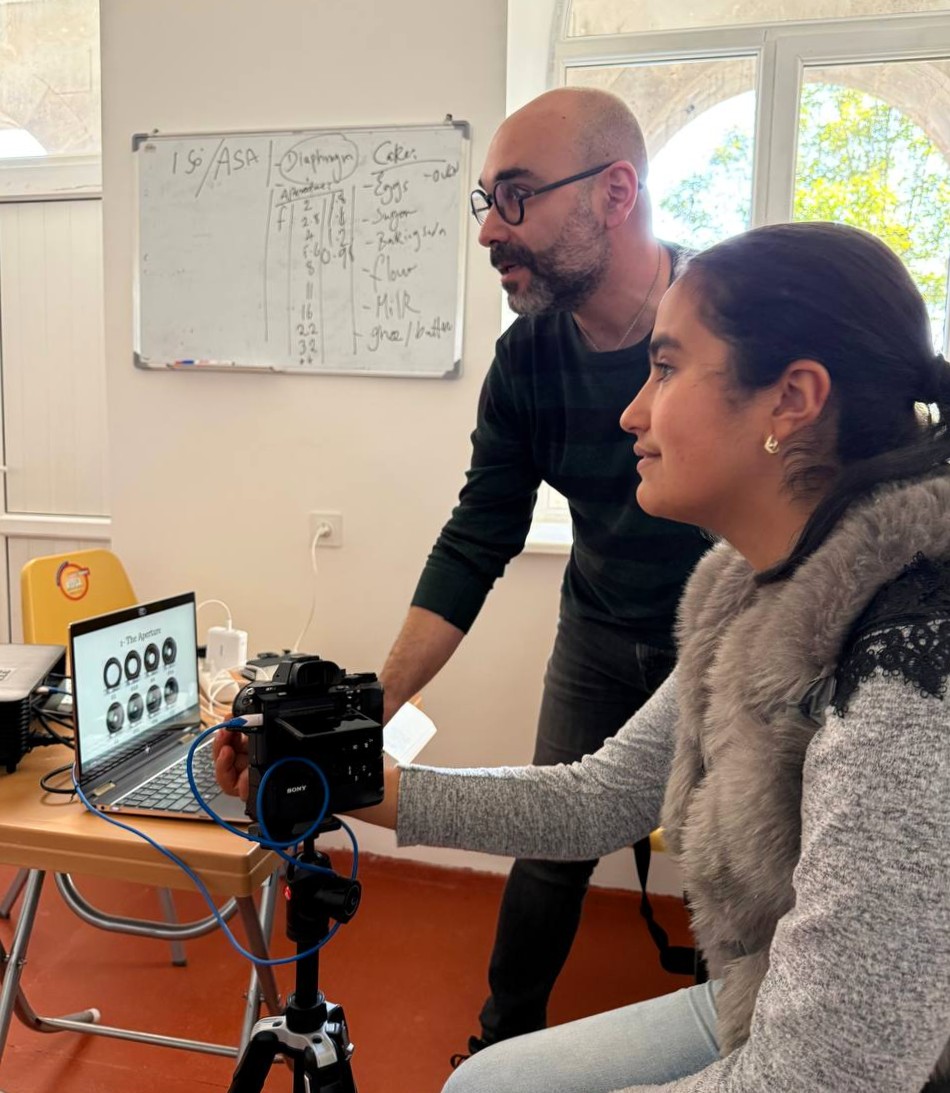
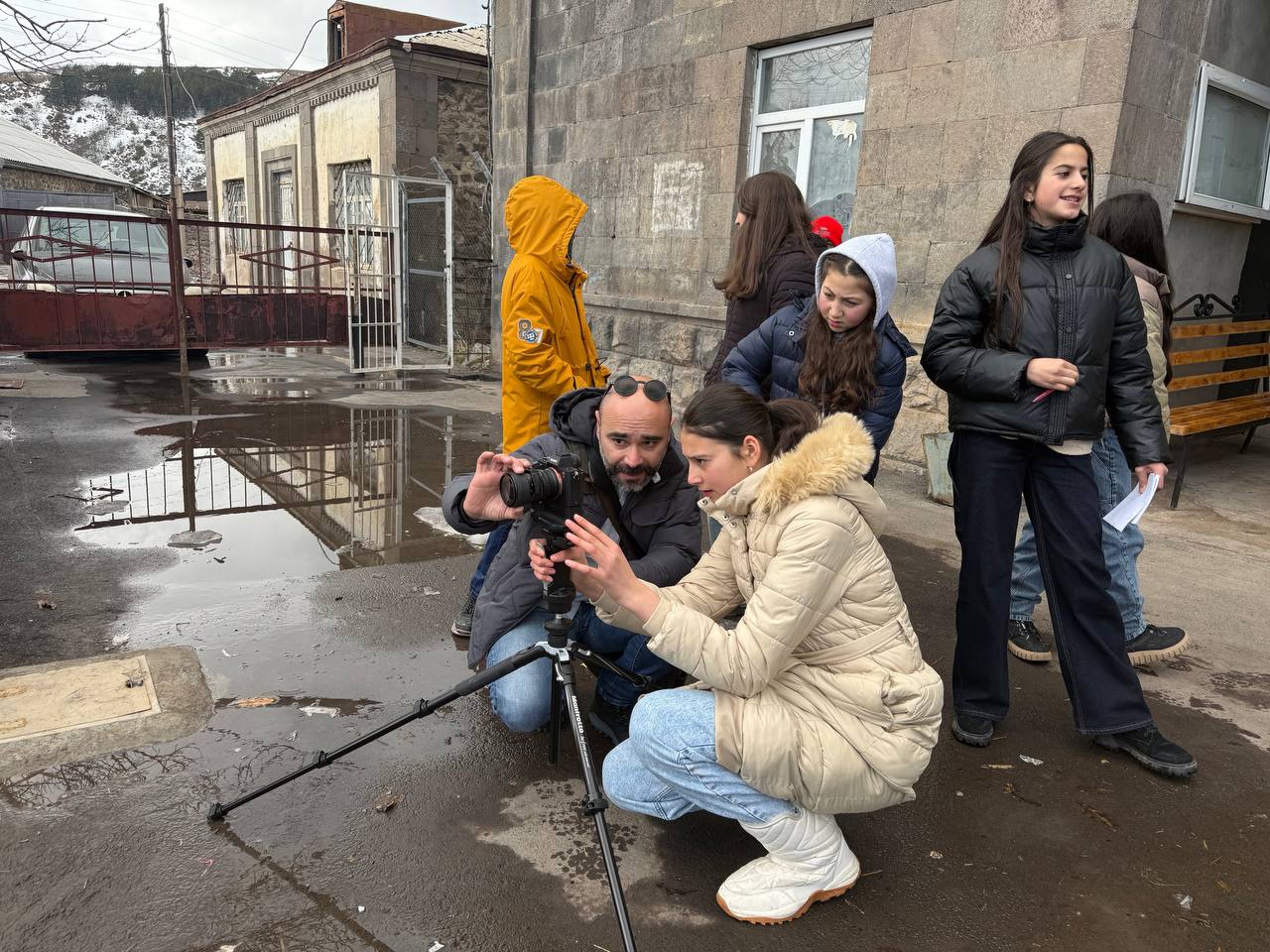
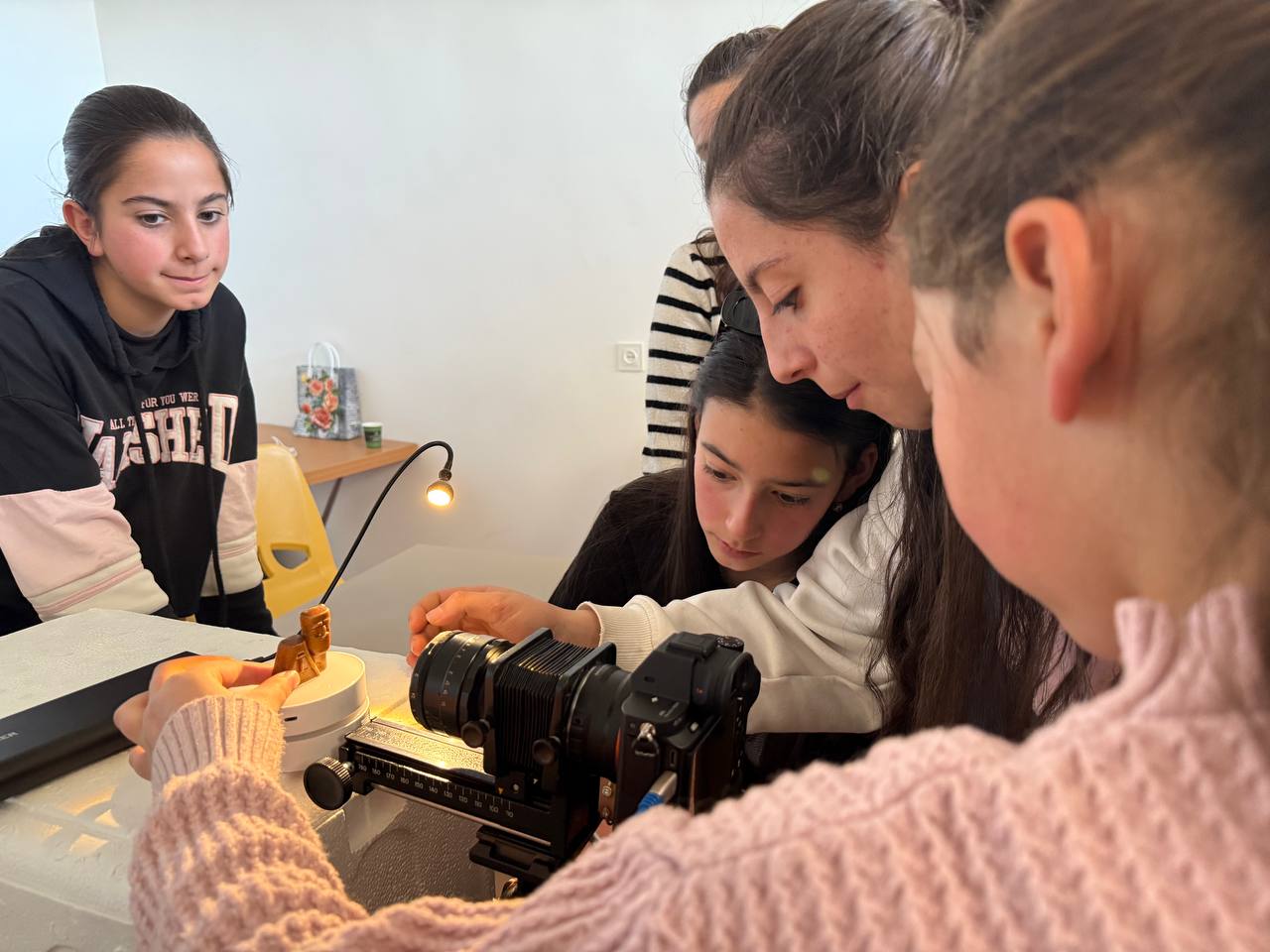
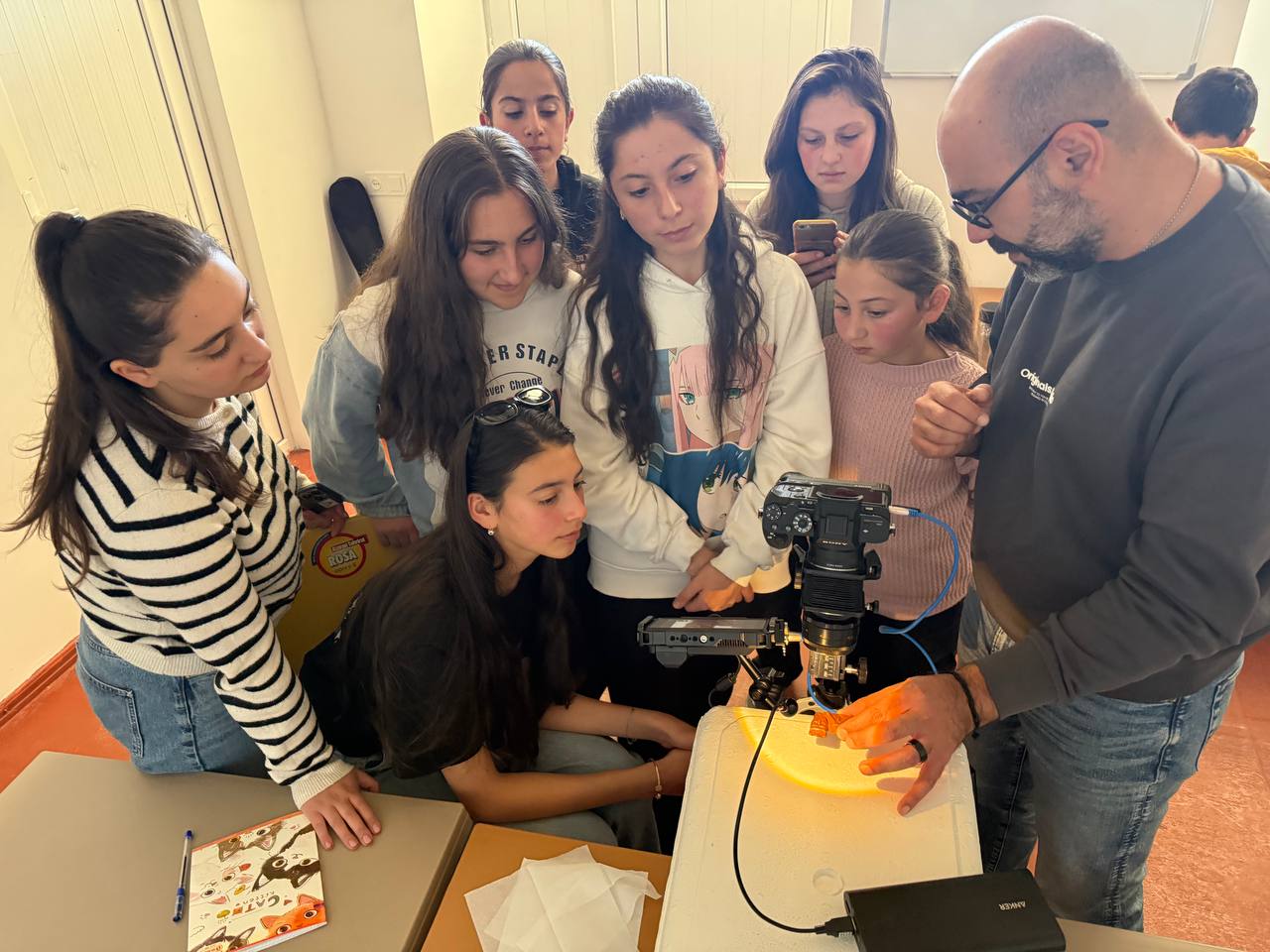
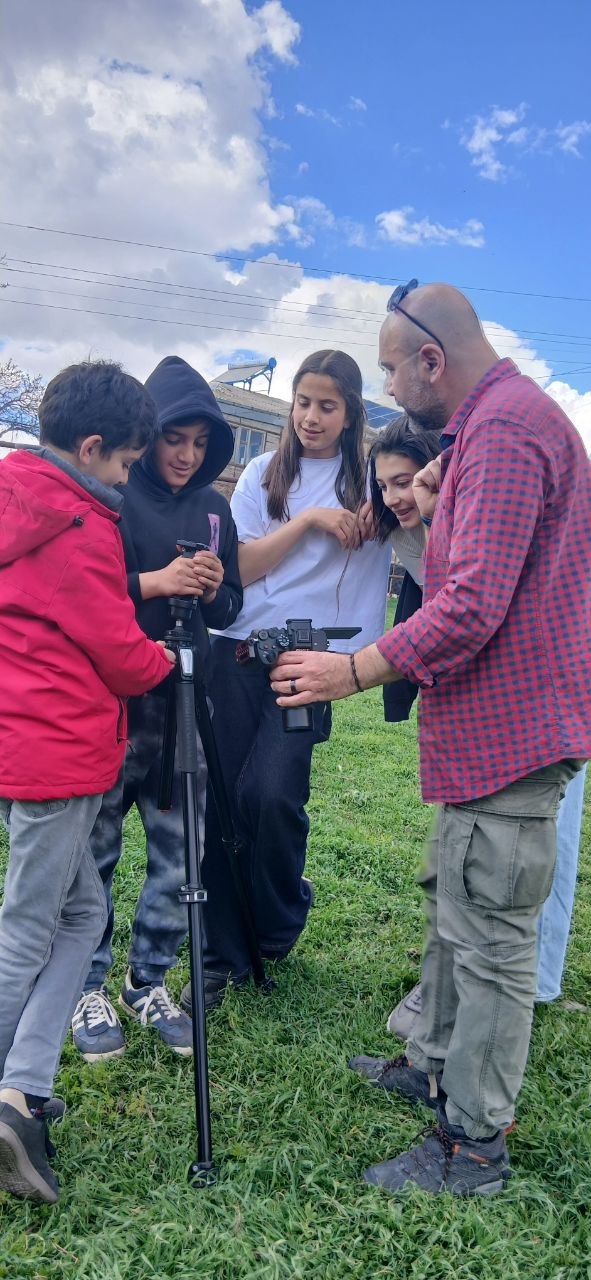
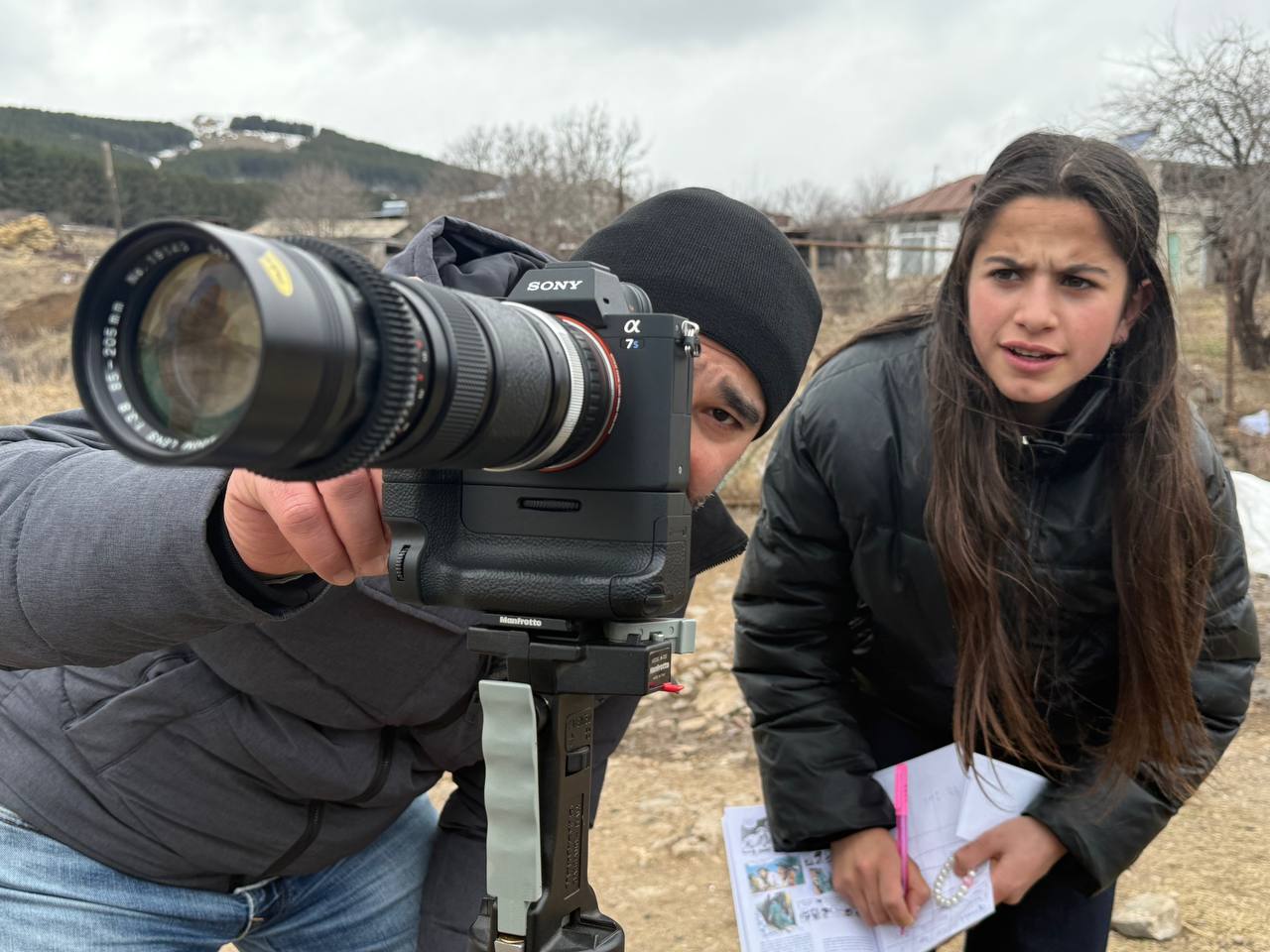
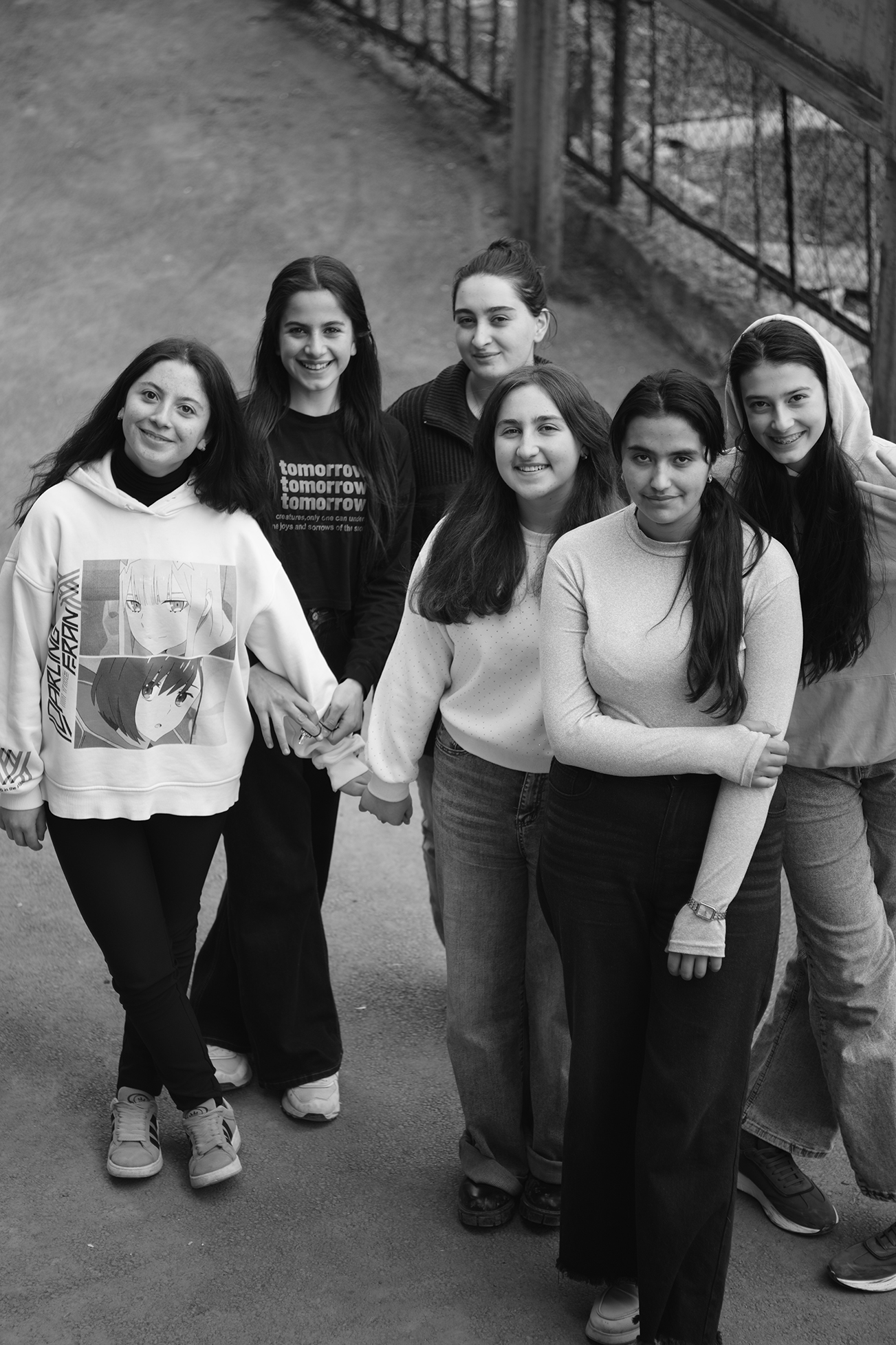
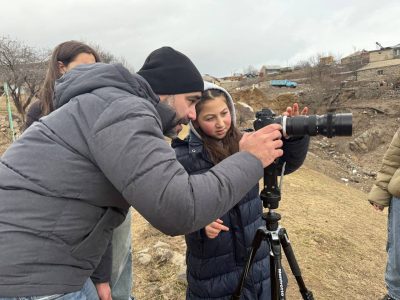
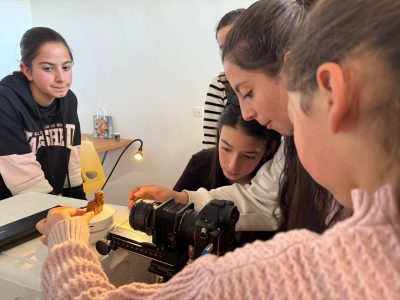
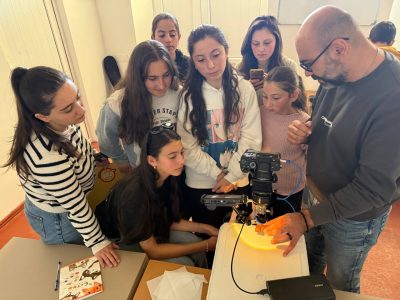
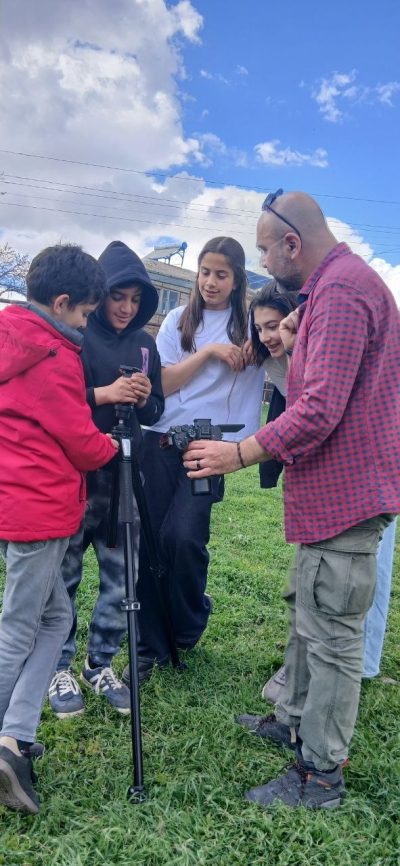
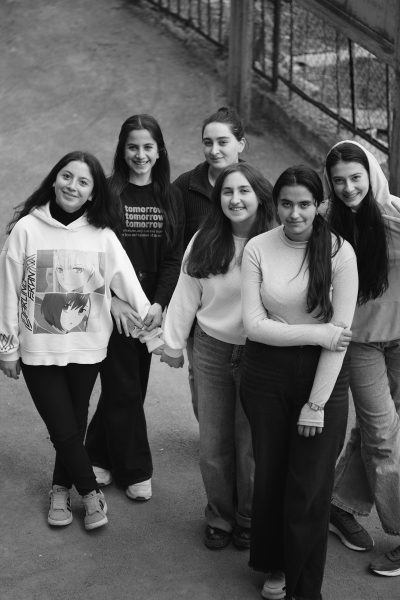
In the village of Harzhis, nestled between Sisian and Goris, everything began with silence and apprehension. When Essam launched a one-year visual storytelling program for 14 teenagers aged 13 to 18, co-organized by his NGO "Tzerqer Visual Art" and "SOS Chrétiens d'Orient", the children were bewildered: "What would you like us to photograph? Everything here seems so ordinary to us," they asked. Essam imposed no rigid technical rules; instead, he invited them to look at the familiar from a new perspective.
At first, he brought to the village his father’s old 1990s film camera—the very camera he had used at the age of 13—so the children could feel the value of time and frame:
"I showed them my father's old camera. I wanted them to understand that pressing the shutter button is not merely an aimless gesture. It is the art of stopping time and immortalizing an experience. In this digital world, the children of Harzhis have still preserved the wondrous ability to be surprised and awed by the world. We are analog beings; you cannot rush time—a day is 24 hours, pregnancy lasts 9 months. We interact through our senses."
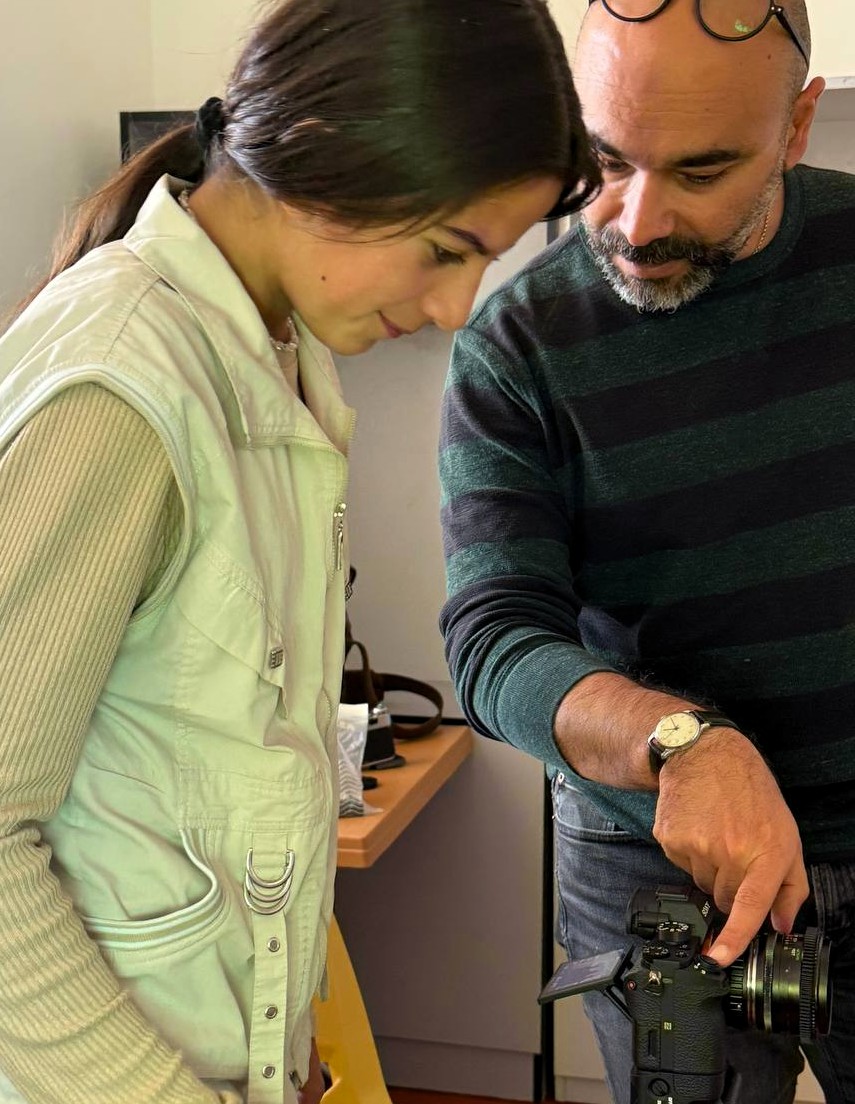
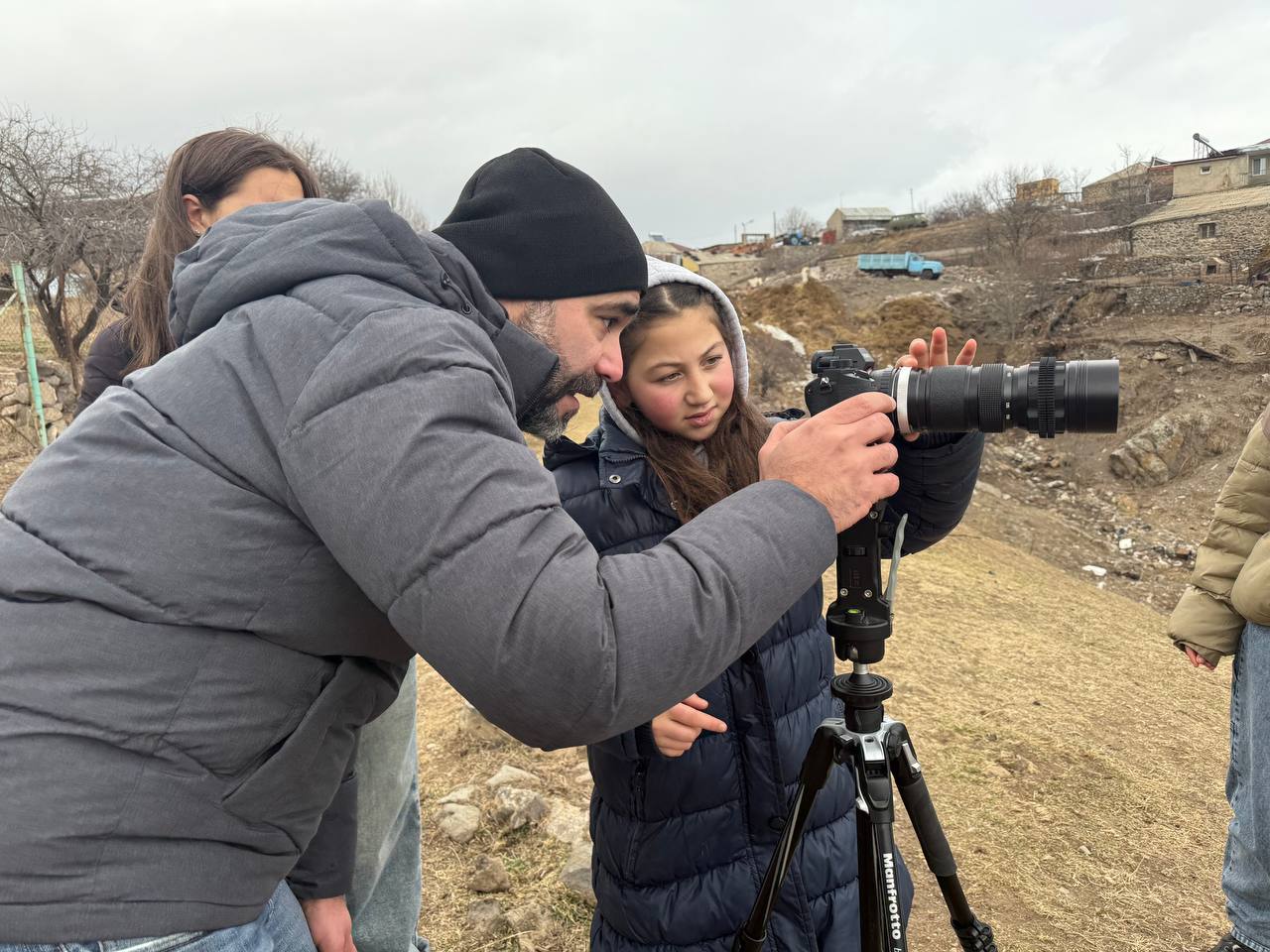
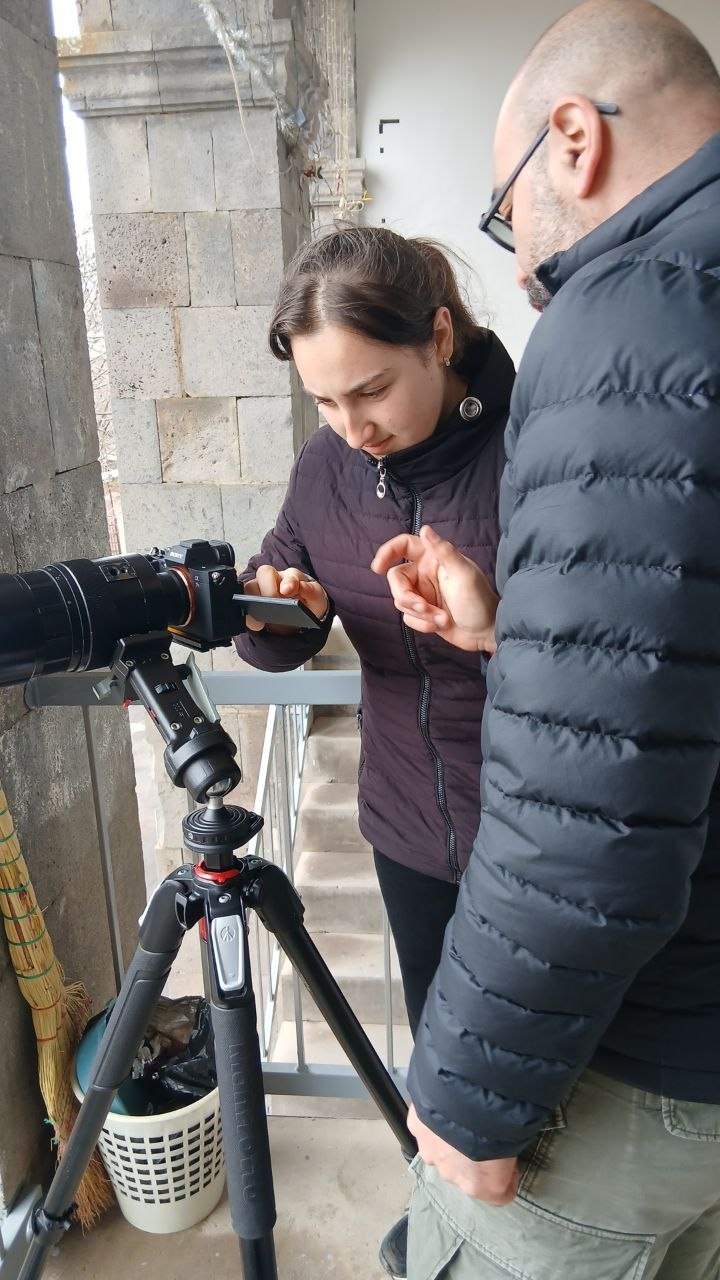
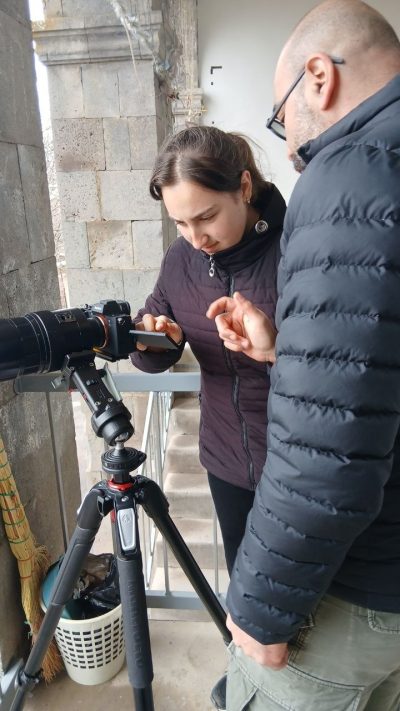
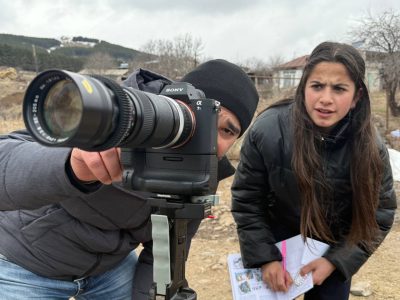
Following the film camera, he introduced a 50-megapixel camera and custom-selected lenses (wide-angle for capturing the environment, telephoto for distant mountain peaks). Thus, were born the 64 photographs of the exhibition, 25 of which are dedicated to mountains as barriers, bridges, and human dialogue.
For Essam, art became a bridge (kamurdj). He recalls how one day, finding the House of Culture empty at class time, they learned it was Annie's birthday—one of the participants. They hurried to Annie's house and stayed from afternoon until evening, baking gata together and experiencing the genuine warmth of Armenian identity. "Even with my very bad Armenian, they welcomed me with boundless love and warmth," he shares.
"I tell them that perfection is a lie, and true perfection is giving your best effort. Once, a student thought a photograph of the moon had no value, but after a subtle crop, we saw the delicate reflection of the moon on the window frame. And when I asked Annie why she wanted her grandfather's eye color in his portrait to match the shade of the sky, she answered: “Because this is our land
The climax of this moving journey is the photography exhibition "THE BIG PICTURE - Chapter I: The Beautiful Quotidian", opening on November 2 at 6:00 PM at the Naregatsi Art Institute.
ESSAM'S EMOTIONAL JOURNEY, FROM DISAPPOINTMENT TO MUTUAL SALVATION
Settling in Armenia in 2023 and directing the film The Forgotten Homeland (Moratsvats Hayrenik), Essam carried in his heart the unceasing pain of foreignness and hardship. It was not easy for a creator, and he was already preparing to leave Armenia. But in the mountains of Syunik, everything changed.
"When a creative person does not find what they expected, it is very easy just to walk away. It was these children who kept me here. Armenia saved me through these children. In the final months of the program, one girl approached me and asked: 'We don't know who you are, why you are in Armenia, or why you are doing all this for us; we are not used to this.' My heart broke into pieces... What a pity. Armenia is such a rich land; just 10 cm below the soil, there are jewels and treasures hidden. I don't want to see our villages emptied after 10–15 years. I have brought my 31 years of experience to Armenian children because I have complete faith in their potential."
For Essam, Armenia possesses a depth that cannot be found in superficial haste. He often repeats that we must not spread outward, but rather delve inward:
"Armenia is a small country, but it is like baklava: when you take a small bite, you taste its unique and profound flavor. It seems to us that we need new things every day; no, we simply need to go deeper. Armenia has such a deep culture that you could live in a single province for 50 years and never stop discovering it. Outside Yerevan lies what matters most for art: communication with nature.”
FROM A DISTANCE OF 130 YEARS: THE ANCESTRAL STORY AND THE CALL OF ROOTS
Essam is a Coptic Christian of Egypt. “My family—on both my father's and mother's sides—are Coptic Christians of Egypt who have professed and preserved the Coptic Christian faith and identity for generations. This spiritual atmosphere and these values are an inseparable part of my life, and when I discovered my Armenian roots, I realized how deep the spiritual and cultural bond connecting me to Armenia truly is."
All this spiritual dedication and the mission unfolded in Syunik were no coincidence; behind them lay a poignant historical memory spanning 130 years. During the heavy historical events of 1896, a 7-year-old orphaned Armenian boy named Mikayel (known in Egypt as Mikhel) was brought to Egypt. To save the child's life, his papers were altered to give him the identity of a local Coptic Christian child.
Essam learned of this only in 2017 from a passing remark made by his grandfather a week before his death.
"I am an Egyptian director with 15% Armenian blood in my veins. When you reach a certain age, you begin to feel that you must do the right thing, not just the ordinary thing. Our ancestor Mikayel was brought to Egypt at the age of 7 and given the identity of a Coptic child to save his life. Exactly 130 years later, his great-grandson returned here to reclaim his lost identity and land."
Thus, 130 years later, Mikayel's great-grandson not only reclaimed his lost identity, but in the mountains of Syunik found peace for his soul and, through the children of Harzhis, rediscovered Armenia.
Support Culture
Naregatsi Art Institute is a 501(c)(3) not-for-profit organization registered in USA with its headquarters in Yerevan and Shushi. All donations are tax-deductible to the fullest extent allowable under the law.